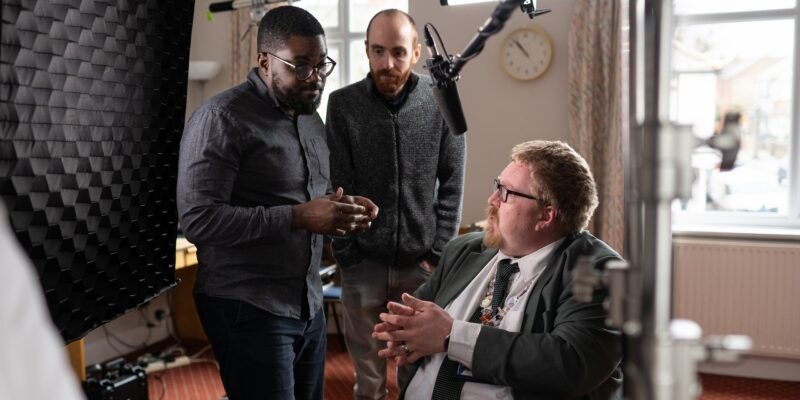

Helping people to tell their story on camera
As documentary filmmakers, Anderson and I have made films with incredible charities and organisations such as Samaritans, Winston’s Wish, Widowed and Young and Suicide&Co, speaking to people who have been bereaved, had suicidal feelings, battled addiction and faced many other challenges and hardships. Anderson and I know that we have a responsibility not only to bring their stories to life, but to take care of the people we’re interviewing.
These films have gone on to inspire, create awareness and raise vital funds for their charities, but each project needs to be handled with care and sensitivity, and safeguarding is a priority for us and our clients. Amongst the KPIs, lighting rigs, edit schedules and social media deliverables that surround the shoot, the contributors need to know that they are always in control of their story.
In 2017, I trained to be a listening volunteer for the Samaritans. On each shift, it was our job to help people speak about what they’re going through and how they’re feeling, without any judgement or prejudice, and with full confidentiality. On one shift you might speak to a lonely pensioner, a prisoner, a mum juggling two jobs and a university student. It was always the comfort and safety we gave them which helped them to open up and tell their stories.
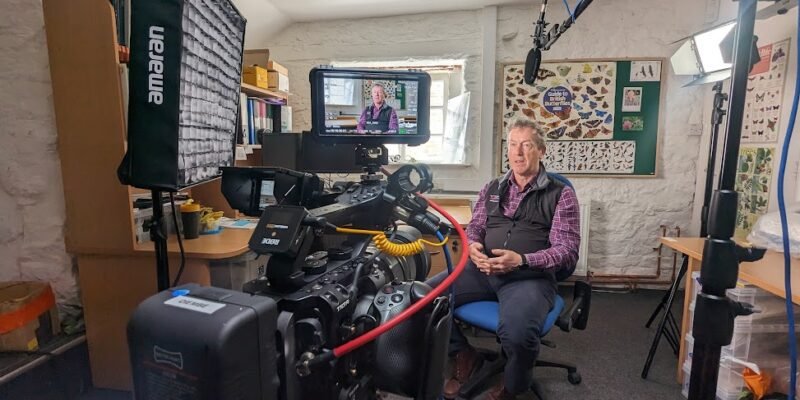
When creating a film, I apply the same process. If a contributor doesn’t feel comfortable, why should we be rolling our cameras? And it goes without saying that when someone is comfortable, and forgets about the lights, cameras and clipboards around them, they’re able to tell their story, and this shines throughout the film, and the campaign it’s a part of. Amongst the mass content production, AI content, and politics on our feeds these days, authenticity is paramount in the charity sector.
So how do we ensure contributors are able to tell their stories?
- We meet with contributors beforehand – either in-person, online or on a phone call. We establish a rapport to help calm their nerves, set their expectations about what’s going to happen on filming day, and give them the space to ask any questions.
- We make sure we have done the research beforehand. If someone is opening up to you, you want to be fully present and in the moment. You don’t want to be looking down at a sheet of paper, or unsure of where the interview is going.
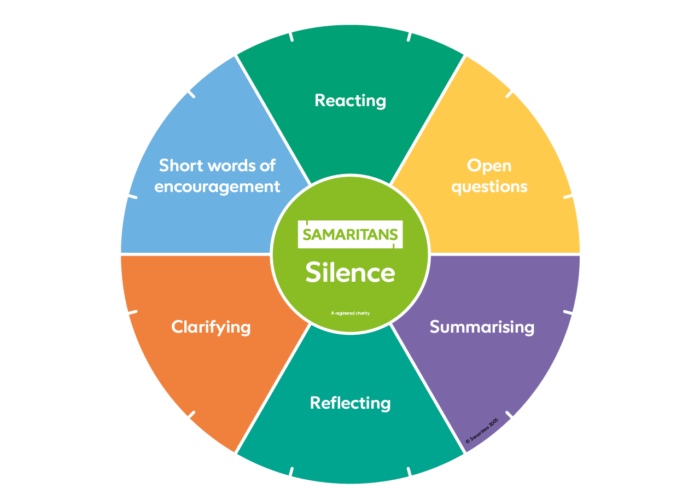
- We actively listen to them. We ask open questions, we look out for non-verbal cues, we reflect and we don’t judge. And we don’t interrupt. At the Samaritans, we used a listening wheel to help remember the rules of active listening (see below).
- We give them space. In a traditional corporate interview with an exec, there will be key messages, certain terms to use or avoid, and rules like ‘put the question in the answer’. Whilst we do give contributors guidance on how to tell their story, introducing these rules and restrictions only makes them nervous, and feel like they’re losing control of their own story.
If you’re an organisation with service users that have powerful stories, here are some tips on how to approach a project with them:
- Identify service users and contributors who have compelling stories, and that can represent your charity.
- Be open and honest with them about the project, and give them time to consider their participation. Remind them that they’re in control of their story. They might want to have a family member with them on the day, and they have somewhere in mind where they’d like us to film their interview.
- Take diversity into consideration – both of people, and of the stories they tell. You don’t know who might be inspired to make change in their own lives, or to donate to your charity, after watching the film.
- When creating a project schedule, ensure that there’s enough for them to view the edit afterwards. They must be happy with how their story is represented before it goes public.
When we launch a new film project with a client, objectives are set, key messages are agreed and we open up our calendars to find a filming day. But when it comes down to it, a story can only inspire if the contributor is ready to tell their story.
Are you looking for a way to raise awareness or fundraise for your charity through film? We’d love to know! Get in touch.
Andy Salamonczyk
Producer at Jeruty Films