
Does bad weather mean your film is ruined?
Does bad weather mean your film is ruined?
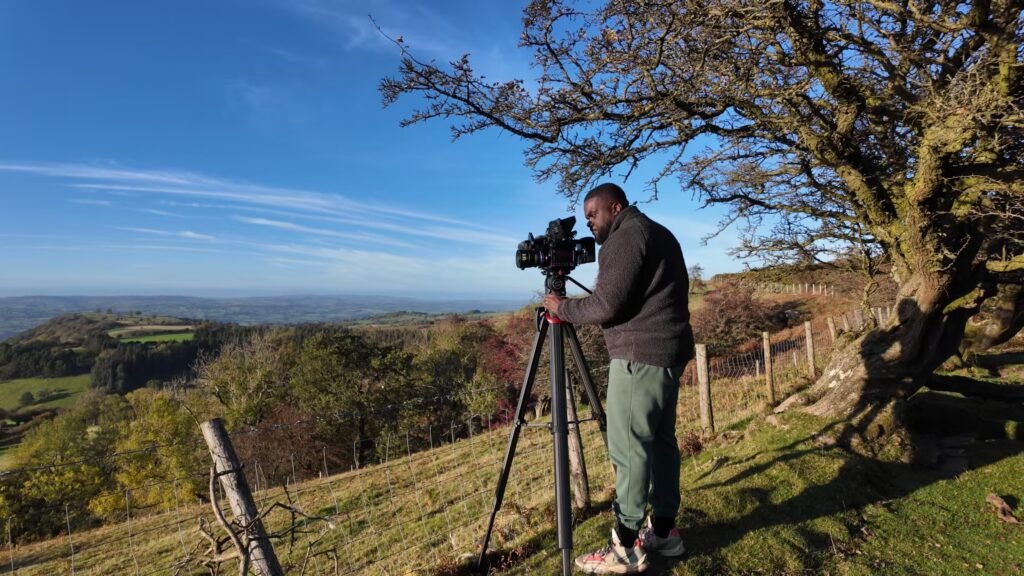
One thing about this job is that you actually have to be out there, not behind a desk, not in a studio, but out in the elements. Whether that’s out in the middle of nowhere, on a hill, in an underground sewer, or out in the middle of a river, wherever it may be, that’s what being on location really counts for.
Being out in all conditions brings a different kind of feeling and perspective. That grit is what makes for a much more genuine and authentic experience when making a film. When we book a date for a project, there’s no point checking the weather a couple weeks out, because we all know we could have four seasons in a day. So I mainly check it again 2 days before the shoot, and only cancel if there is torrential rain, to be honest, or if the client cancels because the weather won’t look right for what they want.
Yes, a studio location is more tailored and controllable. But you have to ask yourself: is clean and controlled actually the right look for your charity or company?
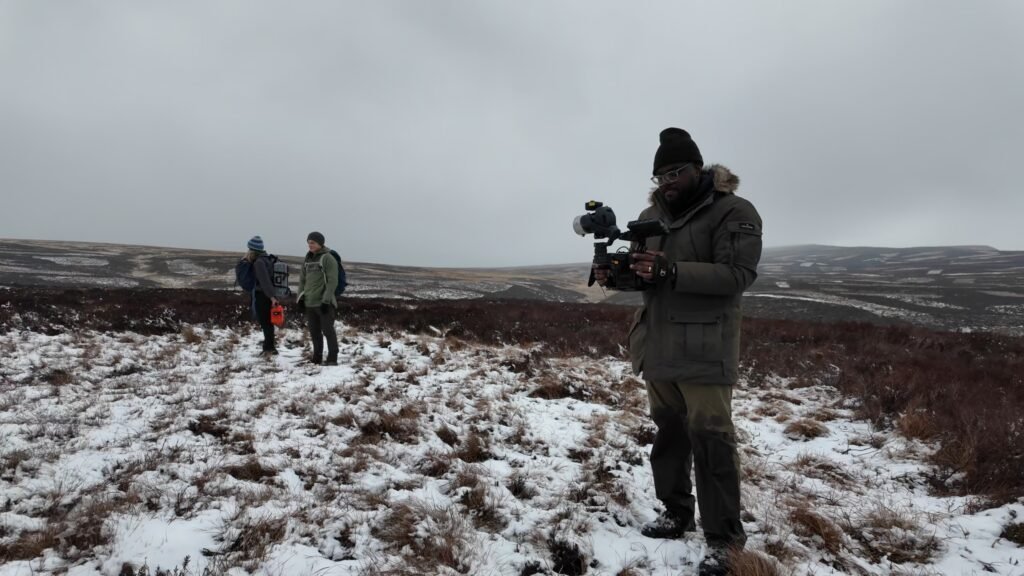
For one of our clients, Moors for the Future Partnership, being out in all weather is the requirement. The amazing work they and their volunteers do in preserving important peatlands, either by replanting Sphagnum Moss species or by creating areas where water can be funnelled so these plant species can thrive, is integral to the preservation of a vital habitat.
Following that process from a film perspective has to be one of my recent highlights.
When you hide behind a desk or a sterile setup, you lose that real-world connection. Audiences want to see real people doing real work. Capturing genuine effort in real weather proves your impact in a way a quiet office setup never could.
Capturing the Human Element in the Cold
Filming on the Moors after heavy snow means you better make sure you bring your all-weather gear. But there’s something special about being out in the cold with people who love doing what they do, capturing the smiles, the camaraderie, and the hard graft.
They were out there braving the elements and doing whatever good they could to help the area, so the least we could do as filmmakers was capture that process with as much detail and care as possible. This is what makes us human, and capturing these moments is a pleasure. And let’s be honest, even on a snowy, overcast day, the Peak District is still one of the most beautiful places you could be.
Gear & Preparation
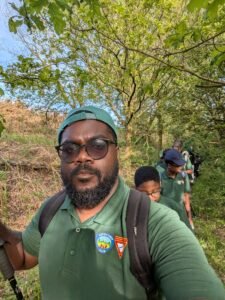
I do a decent amount of hiking with my Pathfinder Club (we are a bit like Scouts), and having the appropriate gear, water, and a map is required at all times. I apply that exact same rule to filming out in the elements and in remote locations:
- Never go solo: Try to have someone with you on location; a twisted ankle whilst walking hiking by yourself could be fatal in the wrong conditions.
- Pack light but complete: Pack a lightweight camera package that includes everything you need. After all, you have all that weight on your back for hours.
- Stay fuelled: Make sure you have water and try to pack a little snack.
- Power up: Bring more batteries than you think you need; the cold drains them fast.
Keeping Up with the Action
Keeping with the theme of the outdoors, filming a documentary with jockey and social media personality Khadijah Mellah was a different type of challenge. She was doing a fundraiser for a Gaza-based charity, horse-trekking 50 miles across Southern Wales.
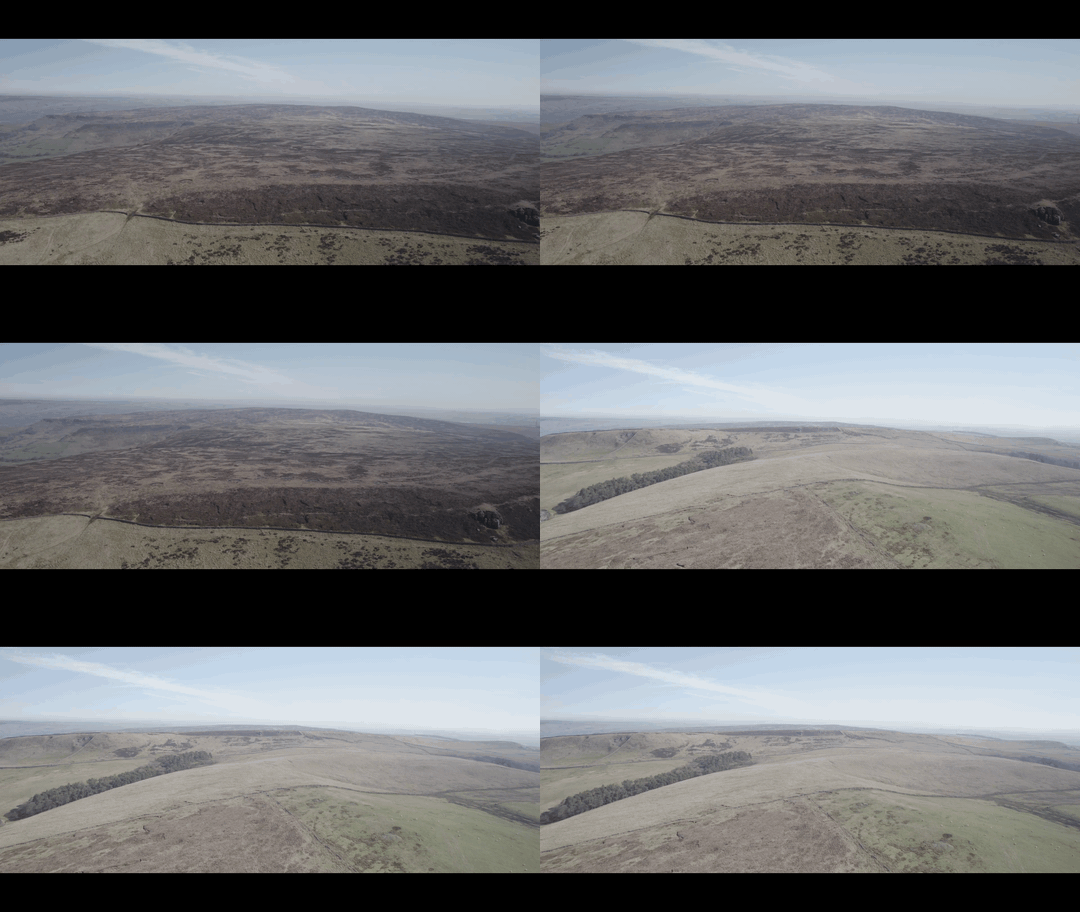
As a human trying to keep up with horses, I found myself running uphill just to get the right vantage point before Khadijah and the crew galloped past me. At that point, the weather doesn’t really matter; it’s all about the shot. There’s something different about watching horses gallop in slow motion while they run into the mist on a small mountain. Perks of the job!
Modern Tech Makes Remote Filming Realistic
In a project we recently worked on with Moors For The Future Partnership, we had to hike back out on the Moors after snow time again. This time, we had to hike several miles with camera gear, including the lovely DJI Ronin 4D, to get shots of scientists hiking to a special, reserved area to test the peat’s overall health.
There is something about being out there and putting in the effort to get these shots that just makes them stand out that little bit more. With camera equipment getting smaller while still retaining high quality, the possibilities are endless. And of course, this all helps keep us in good nick; you don’t burn those calories sitting in the edit suite!
Things to Bear in Mind When Planning an Outdoor Shoot:
- Evaluate your subject matter: A studio is clean and controlled, but if your work happens in the real world, an outdoor shoot delivers far more authenticity.
- Gear up for safety and comfort: Always have the appropriate attire, proper hiking gear, water, snacks, and a map when heading into remote areas.
- Keep camera setups lightweight: You’ll be carrying equipment on your back for hours, so choose compact, high-quality gear to stay mobile.
- Over-pack on power: Cold weather drains equipment quickly; always carry more batteries than you think you need.
- Know your single dealbreaker: Torrential rain is the main thing that stops us, due to the risk of camera damage (and nothing looks good in a downpour). If it’s not torrential rain, embrace the weather and get the shot!
Meeting people and visiting places the public wouldn’t normally see is definitely one of the highlights of this job. We love having clients who trust us to tell their stories, even in the most remote locations.
When you’re ready to capture authentic stories out in the field, you don’t need perfect weather; you just need a team that knows how to handle the elements.
Planning an ambitious shoot in the wild?
Drop us a message to get your project moving, or subscribe to our newsletter for more practical video insights.
Anderson
Producer at Jeruty Films